Which lamb curry cuts are the core choices for curry
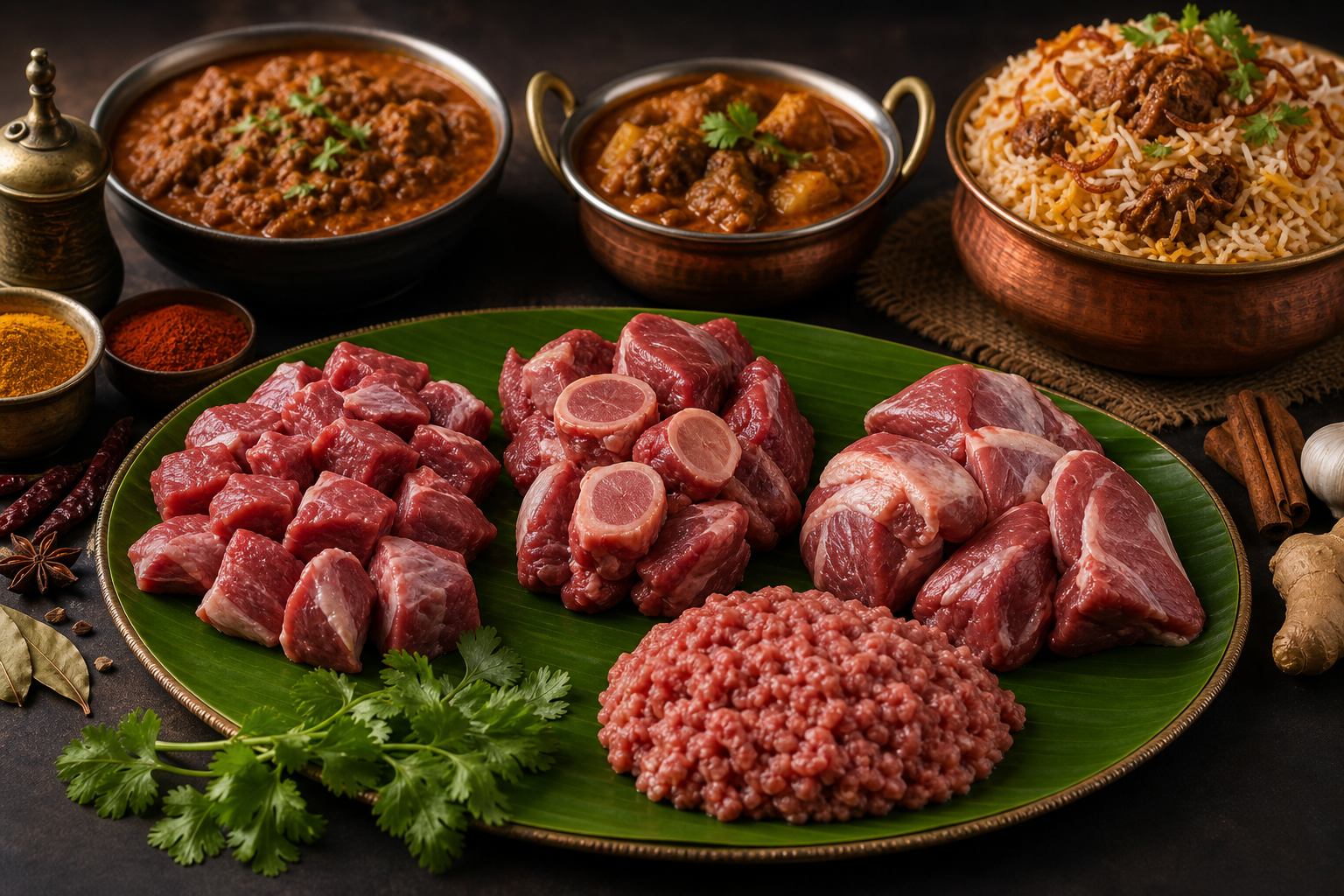
Picking the right lamb curry cuts changes how a curry tastes and how long it needs to cook. The main primals to know are shoulder, leg, loin, rib, shank, and mince. Each cut has different fat, connective tissue, and muscle structure, which affects tenderness and flavour when simmered or braised. For a concise primer on lamb primals and recommended cooking approaches, see industry overviews such as the WebstaurantStore guide on types of lamb cuts or a butcher’s identification guide.
Why connective tissue and marbling matter
Tougher cuts with more connective tissue and intramuscular fat reward slow, moist cooking. Collagen melts into gelatin with low-and-slow braising, creating a silky sauce and meat that falls apart. Lean, premium cuts will stay tender only with short cooks or careful temperature control, so choose based on whether your recipe calls for a long braise or a quick finish.
Quick glossary of the main cuts
- Shoulder — well marbled, full of connective tissue, ideal for long braises and stews.
- Leg — meaty and dense, good for large chunks that keep their shape; works bone-in or boneless.
- Shank and neck — collagen-rich and superb for deeply gelatinous, spoon-coating sauces.
- Loin and rib — tender, premium cuts better for quick-sear or short-simmer dishes than long braises.
- Mince (keema) — finely ground lamb for fast, highly spiced curries, keema, and layered uses in biryani.
These categories are described in more detail in practical guides and butcher resources that compare how each primal behaves under heat.
Shoulder: the go-to cut for slow, flavourful masalas
Why shoulder works for masala-style curries
Shoulder is commonly recommended for curries because its marbling and connective tissue break down with long, slow cooking to produce tender meat and a rich, unctuous sauce. Butcher guides note shoulder roasts are ideal for braising and stew-style dishes because the extended, low-heat cook develops both tenderness and depth of flavour.
How to buy and prep shoulder
- Ask your butcher for shoulder cut into 1.5–2.5-inch chunks for curries, or request a bone-in shoulder roast if you plan a very long braise.
- Bone-in shoulder adds flavour from the marrow; boneless is easier to portion and quicker to serve.
- Trim excessive external fat if you prefer a leaner result, but keep some fat for mouthfeel and sauce richness.
Best styles to use shoulder with
Choose shoulder for heavy, slow-cooked masalas, Rogan Josh–style dishes, and any curry that benefits from a long braise. If your recipe calls for meat that should fall apart and thicken the sauce, shoulder is the reliable choice.
Leg: large, meaty chunks that shorten braise time
How leg differs from shoulder
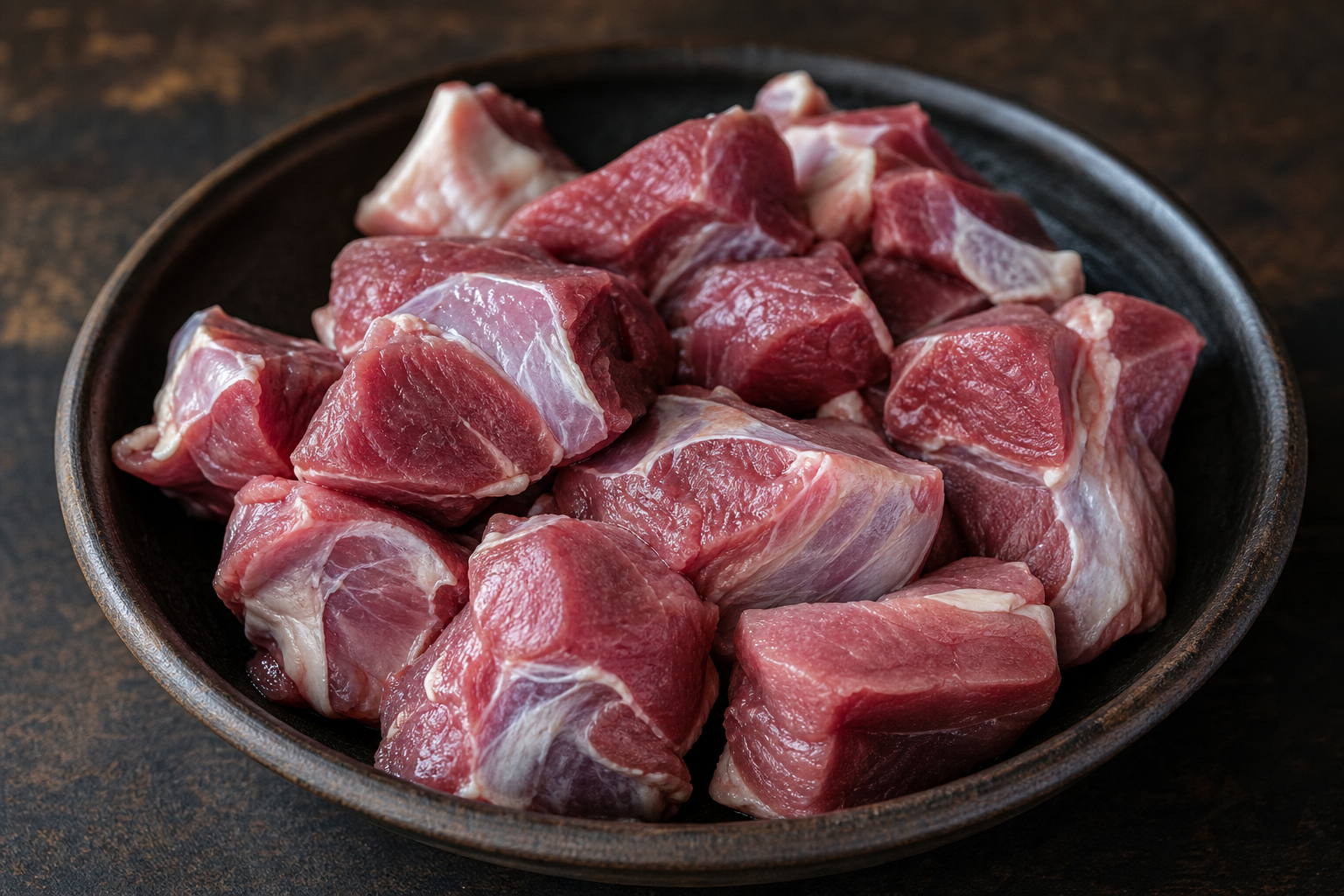
Leg of lamb is leaner and meatier than shoulder, so it holds larger, defined pieces in a curry without falling apart. It needs less braise time than shoulder when cut into uniform chunks, making it a practical choice when you want identifiable pieces in your gravy rather than shredded meat.
When to choose bone-in leg versus boneless
- Bone-in leg adds extra flavour and looks impressive for family-style serving, but requires a little more attention to portioning.
- Boneless leg is straightforward to cube and quicker to eat, and it is commonly recommended by butchers as a suitable curry option when you want meaty chunks without an extremely long cook time.
Best styles to use leg with
Use leg for chunked masalas and biryanis where you want firm pieces that withstand layering or a quick final simmer. Guides that compare cuts recommend leg when you want meaty texture with a shorter braise than shoulder.
Shank and neck: deep collagen for spoon-coating curries
Why choose shank or neck
Shank and neck are high in collagen and bone content, which convert to gelatin and give sauces glossy body and depth. These cuts shine in dishes where the goal is a silky, clingy sauce that coats rice and bread.
Prep and cooking tips
- Expect smaller meat-to-bone yield, so increase portion sizes accordingly when planning servings.
- Cook low and slow with enough liquid to extract flavour from bones and break down connective tissue into a rich mouthfeel.
Best curry examples
Shank is a classic choice for slow lamb shank curries and regional stews that benefit from extended simmering. Butcher and culinary overviews explain why these pieces are prized for collagen-rich preparations and long braises.
Loin, rib, and chops: when quick-sear and short-simmer curries make sense
Trade-offs to consider
Tender loin and rib cuts are excellent eating but are often a less economical choice for heavy, slow curries because their delicate texture can dry out if overcooked. Use these cuts when you plan a quick sear followed by a short simmer, or for kadhai-style dishes where tenderness and a brighter, cleaner flavour are desirable.
How to adapt premium cuts for curry
- Sear briefly over high heat to develop colour, then finish with a gentle simmer to avoid overcooking.
- Reserve loin and rib chops for recipes that call for quick service or grill-then-sauce techniques.
When to avoid these cuts
Do not choose loin or rib for a long, slow braise intended to extract gelatin and create a clingy sauce; tougher cuts will give you more body and better value in those styles.
Mince (keema): the fast, flavourful alternative for layered dishes
When mince is the best option
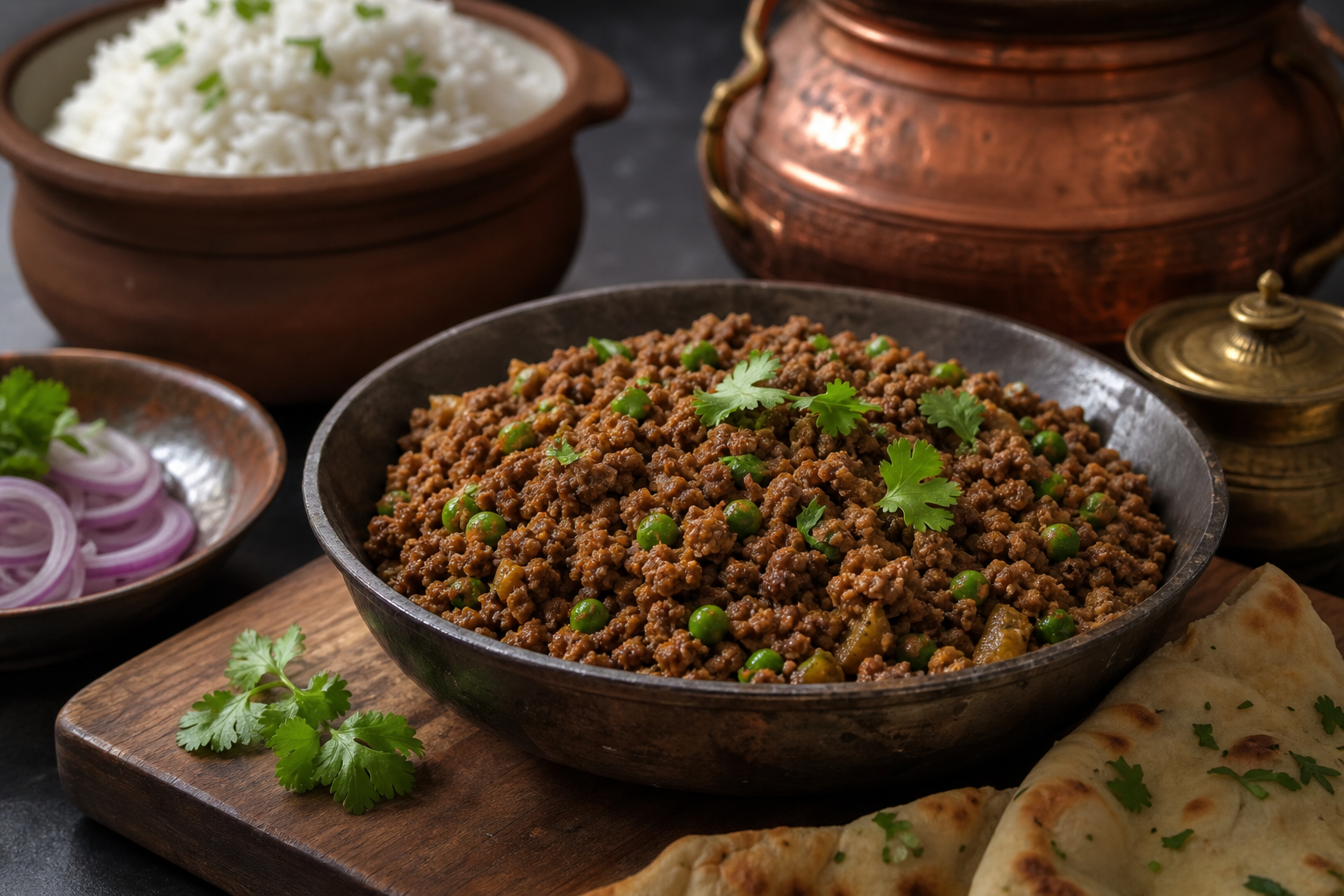
Lamb mince is the classic choice for keema curries, fast weekday meals, and layered uses such as stuffing or biryani layering. Because mince breaks up into small pieces, it soaks up spices quickly and delivers immediate flavour with much shorter cook times than chunked meat.
Buying tips for mince
- Decide on lean versus slightly fatty mince based on your preference for sauce richness and finished texture.
- Ask the butcher for freshly ground lamb or look for recent pack dates at the store to ensure freshness.
Buying checklist and Edmonton action path: what to ask your butcher and where to order Lamb Masala
Five clear questions to ask at the counter
- Which cut would you recommend for the curry style I’m making: long braise, chunky masala, or keema?
- Can you trim or portion the piece to 1.5–2.5-inch chunks for curries?
- Is the cut bone-in or boneless, and can you remove or leave the bone as I prefer?
- How fresh is the mince or roast, and can you grind to order if I want keema?
- Do you suggest trimming any fat for a leaner result, or leaving more for a richer sauce?
Order instead of cook: a downtown Edmonton option
If you prefer to skip shopping and cooking, Divine - The Indian Cuisine lists Lamb Masala on its menu and provides online ordering for pickup or delivery from their Jasper Avenue location. The restaurant highlights convenient online ordering and a quick pickup option; you can place an order through their website or call the number listed on the site when you need a reliable takeaway lamb curry in downtown Edmonton.
Decision criteria and answers to common objections
Quick decision checklist
- If you want fall-apart, thick sauce: choose shoulder, shank, or neck and braise low and slow.
- If you want meaty, shaped pieces: choose leg, bone-in or boneless, cut into uniform chunks.
- If you want fast, highly spiced texture: choose lamb mince for keema or quick layering in biryani.
- If you want fast-cooked tender bites: use loin or rib with a short sear and gentle simmer.
Common objections answered
“Is tougher better?” Yes for long-braised curries, because collagen becomes gelatin and improves sauce body; choose shoulder or shank for that result. Culinary and butcher resources explain why tougher cuts are preferred for stews and curries that cook for a long time.
“What about price and availability?” Availability varies by store and season; mince and leg cuts are often easier to find and can be good value. If a cut is unavailable, ask your butcher for a close substitute and portioning help.
“Bone-in or boneless?” Bone-in adds flavour and depth from marrow; boneless is more convenient and quicker to serve. Choose based on your service and convenience priorities.
Frequently asked questions
Which lamb cut makes the most tender curry?
For the most tender, spoonable curry, choose shoulder, shank, or neck. Those cuts have the connective tissue and marbling that break down into gelatin during long, slow cooking and produce a rich sauce.
Can I use leg of lamb instead of shoulder for a traditional masala?
Yes. Leg yields large, meaty chunks that hold their shape and usually requires a shorter braise than shoulder. If you want meat that stays in distinct pieces, leg is a good alternative to shoulder.
Should I buy bone-in or boneless lamb for curry?
Both work. Buy bone-in for extra flavour and a showpiece, or boneless for easy portioning and quicker service. Ask your butcher to portion and trim to your desired chunk size.
Is lamb mince a good substitute for chunked lamb in keema and biryani?
Yes. Mince is the traditional choice for keema and works well in layered dishes like some biryani styles. It cooks quickly and absorbs spices efficiently, making it an excellent weekday option.
Where can I order Lamb Masala or lamb curry for pickup near Jasper Ave in Edmonton?
Divine - The Indian Cuisine lists Lamb Masala on its menu and offers online ordering and pickup from its Jasper Avenue location; their site includes ordering and contact details if you prefer takeaway instead of cooking at home.
Decide by matching the cut to your cooking time and desired texture: shoulder or shank for long braises, leg for meaty chunks, loin or rib for quick finishes, and mince for fast, spice-forward dishes. When in doubt, ask your butcher the five checklist questions above or order a ready-made Lamb Masala from Divine - The Indian Cuisine to compare styles before you cook your own. Which cut will you try in your next curry?
Craving Authentic Indian Food in Edmonton?
Order Edmonton's favourite Butter Chicken, Lamb Biryani, and award-winning vegan dishes from DIVINE – The Indian Cuisine on Jasper Avenue.
Order Online Now