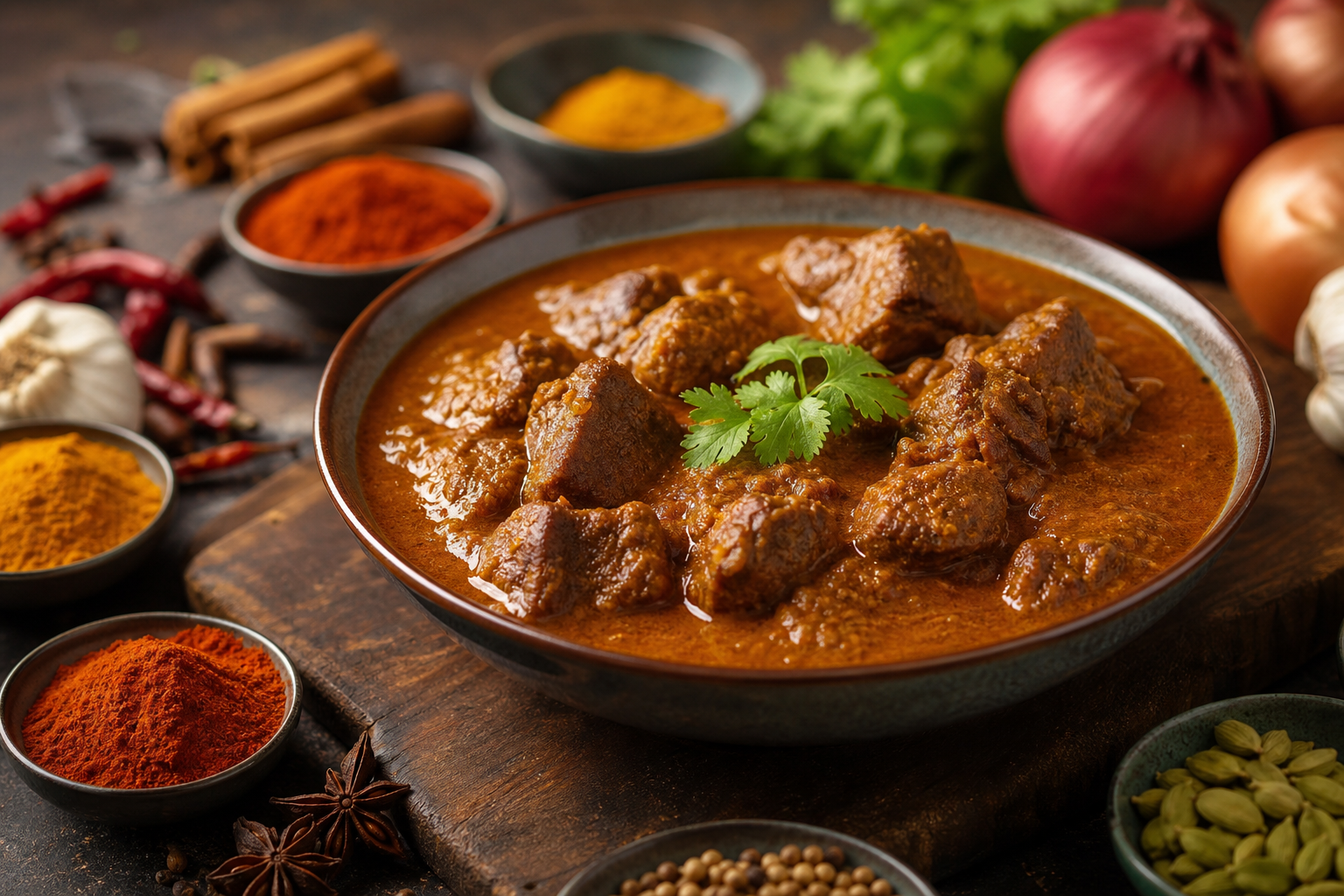
Choosing the right beef curry spices is a decision about fit, freshness and technique rather than a single favourite jar. This checklist will help you ask the right questions in store or online: match the spice or blend to the dish and method, weigh premixed blends against single spices, verify roast and pack dates, check heat and added salt, practice the bloom technique so ground powders do not taste raw, troubleshoot common faults, and decide when ordering a prepared beef curry is the smarter choice.
What dish and cooking method will the spices support
The first question is about the recipe. Identify whether you are making a slow braise, a quick pan curry, a dry sear or a layered rice dish. Different techniques demand different spice behaviour.
- Slow braise or biryani: choose bold whole spices or blends that tolerate long simmering and release flavour over hours.
- Quick skillet curry: favour bright ground spices or a small custom mix so you can bloom and finish rapidly without losing aromatics.
- Dry masala or seared beef: prefer toasted whole spices crushed at the end to retain texture and snap.
Ask product descriptions whether a blend is intended as a base for slow cooking or as a finishing spice. If the label does not clarify intended use, treat the product as a convenience item rather than a full substitute for fresh aromatics and technique. For further context on matching blends to cooking intent see a buying guide that discusses terroir and intended use on choosing the best curry.
Blend versus single spices: what specific questions to ask
Decide whether you want the convenience of a premixed curry powder or the control of individual spices. Each approach has trade offs.
- Premixed blends: ask if the ingredient list is complete, whether salt or enhancers are added, and if the blend is meant for finishing or as a cooking base.
- Single spices: ask for roast or pack dates and whether whole spices are available; building your own mix gives precise control over heat and aroma.
When to choose garam masala
Pick garam masala as a finishing touch when you want a layered aroma at the end of cooking. It is rarely a replacement for the base spices that are fried early in the recipe.
When to build from single spices
Build a mix when you need to dial in heat, avoid hidden salt or MSG, or when a recipe relies on toasted whole spices or a specific cumin to coriander ratio. Typical spices for beef curry include cumin, coriander, black pepper, turmeric, fenugreek, cardamom, cloves, cinnamon and garam masala for finishing.
For an expert view on evaluating blends and ingredient hierarchies consult a professional buying guide about choosing a curry blend.
Freshness, origin and ingredient transparency checks
Freshness is the single biggest driver of flavour. When you can, prefer whole spices and look for roast or pack dates on packaged blends. Carefully read ingredient lists for unexpected additives such as salt, sugar, anti caking agents or starch, which change how you must season the dish.
Practical freshness tests you can do at home
- Smell test for ground spices: open the container and inhale. A faint scent means the spice is past prime.
- Crush test for whole spices: break a seed or pod between fingers. Fresh spices release bright oils and a lively scent.
- Visual check: whole spices should look plump and glossy, not dusty. Ground spices should be free of clumps caused by moisture and should not be discoloured.
When buying packaged blends, prefer those that display a roast or pack date and list every component. That transparency tells you whether the product is designed to be a building block or a convenience shortcut. For pairing guidance and conventional spice matches consult a comprehensive reference on herbs and spices from the University of Delaware.
Heat, salt and allergen checks to prevent surprises
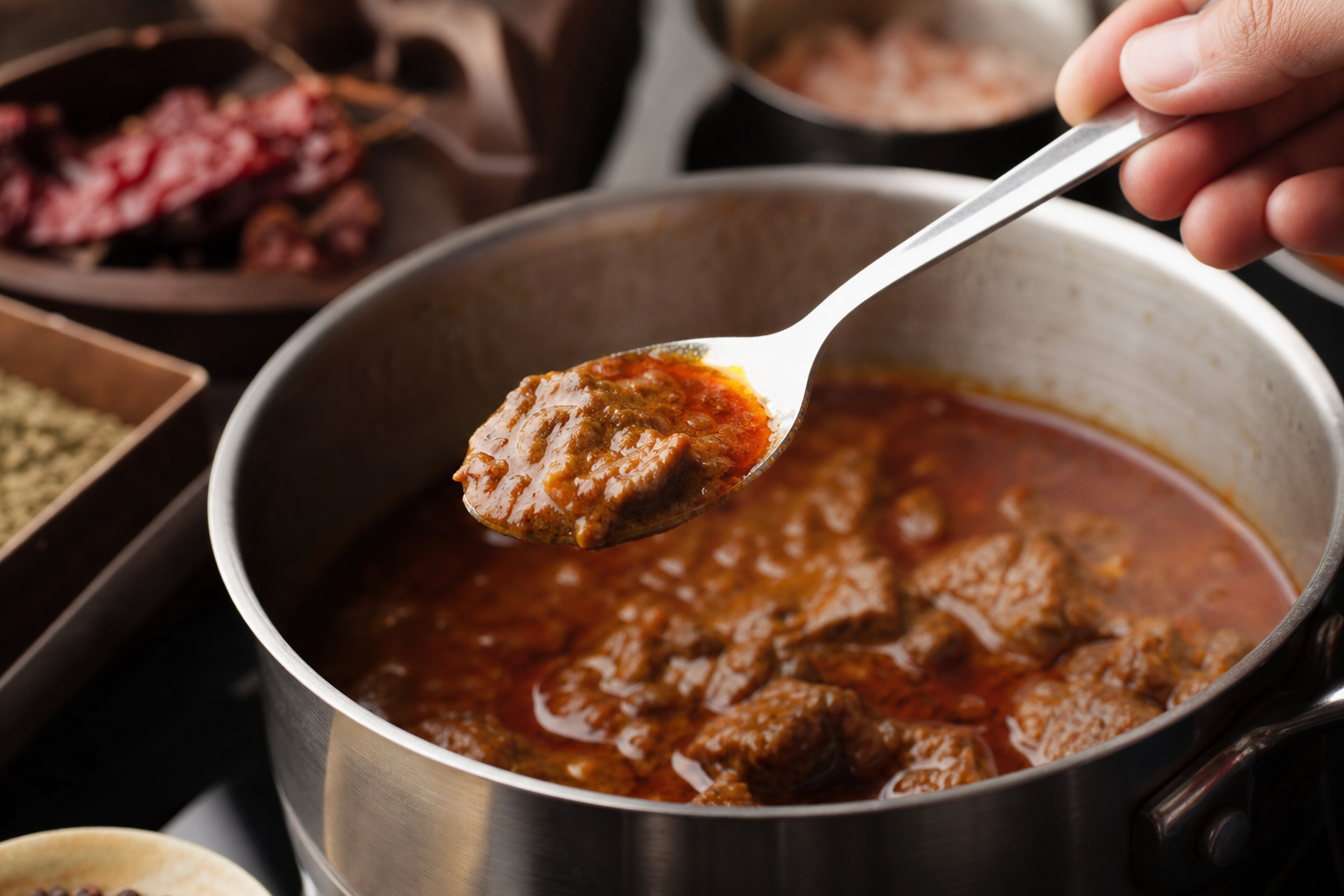
Premixed curry powders sometimes contain chilli, salt or flavour enhancers that will affect how you finish the dish. Before you buy, check labels for heat level descriptions and for added salt or monosodium glutamate. Verify allergen information for mustard, sesame or tree nuts if you have dietary concerns.
If the vendor will not confirm these details, choose a plain base and add heat and salt during cooking so you can taste and adjust. Professional seasoning advice stresses tasting and balancing salt and acidity as final steps instead of assuming more spice is the solution for seasoning best practices.
Technique check: how and when to bloom ground spices
One common technical error makes curries taste powdery or flat: adding ground spices without cooking them briefly. Ground spices contain raw starchiness that must be transformed by a short fry, usually after the aromatics have softened.
Step by step micro method
- Heat oil or ghee until shimmering.
- Add whole spices and toast for 20 to 60 seconds until fragrant.
- Sweat onions, garlic and ginger until soft and lightly browned.
- Add ground spices and fry for 30 to 60 seconds while stirring, until the raw powder smell is gone.
- Add liquids and continue the recipe.
Adding ground spices too late or using stale powders commonly produces a powdery finish. Chefs recommend frying ground spices briefly to unlock oils and eliminate raw notes for practical technique notes.
Quick troubleshooting: fixes for powdery, flat or bitter curry
When something goes wrong, diagnose by tasting and apply a targeted fix.
- Powdery or raw-spice flavour — Cause: undercooked or stale ground spices. Fix: remove a small portion and fry it in hot oil or perform a hot tempering of oil and whole spices, then reintroduce.
- Flat or bland — Cause: under seasoning. Fix: check salt first, then add a splash of acid such as lemon, vinegar or yoghurt, and a knob of butter or cream to elevate richness.
- Bitter — Cause: burnt spices or overcooked aromatics. Fix: mellow with dairy, add a small pinch of sugar to balance, and simmer briefly.
- Watery and weak — Cause: insufficient reduction. Fix: simmer uncovered to concentrate, or thicken with a paste of ground nuts or tomato paste.
These fixes mirror professional seasoning checks and can rescue a dish without starting over. For seasoning philosophy and final taste checks see the practical guide on seasoning curries about seasoning not just spicing.
Where to source spices in Edmonton and when to order ready made beef curry
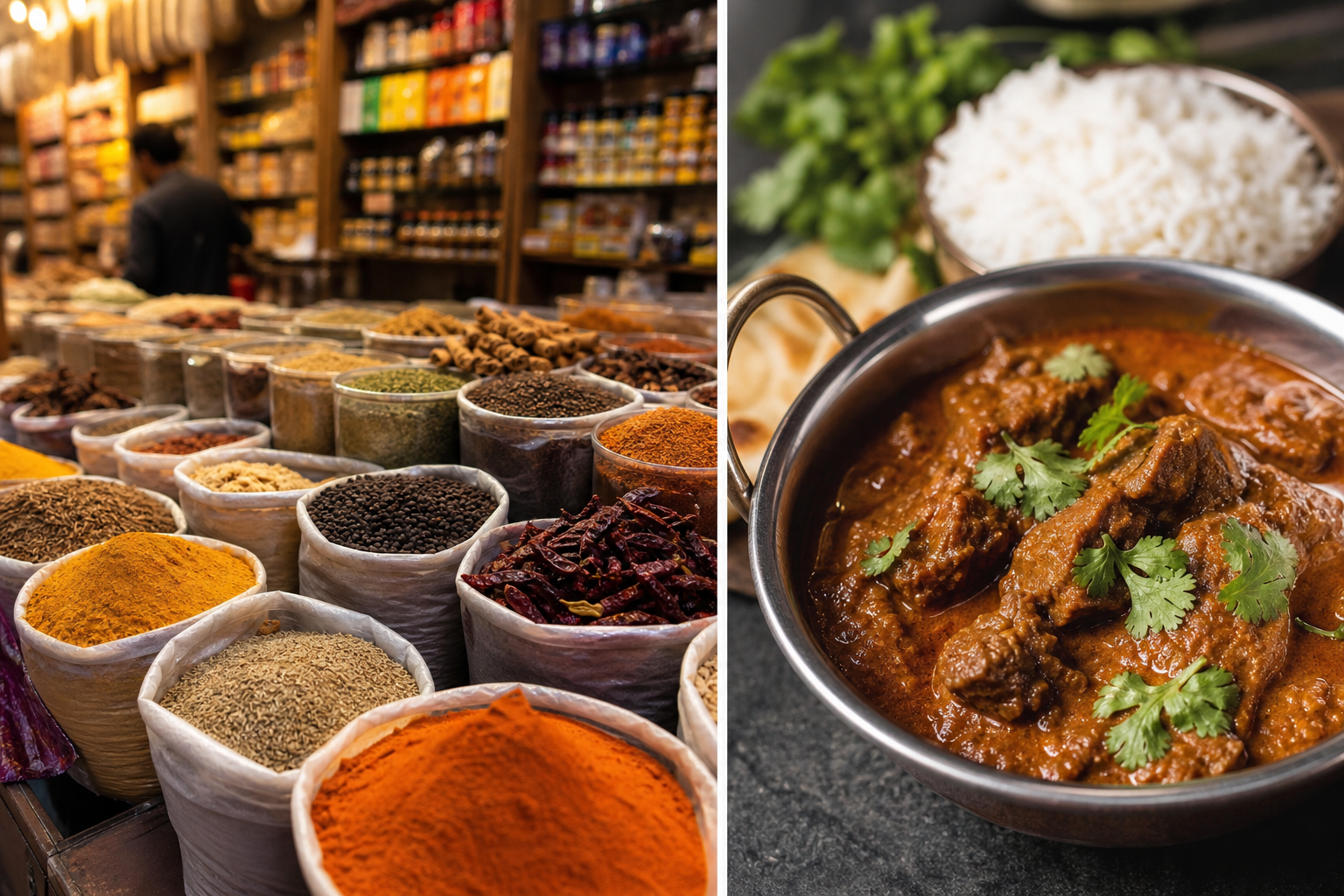
For fresh whole spices in Edmonton look for Indian grocers, ethnic markets, and spice counters where turnover is high and roast dates are visible. Farmers markets may supply small-batch roasted spices and local vendors who will tell you roast dates on request. Buying whole spices and roasting or grinding at home gives the longest flavour life.
If you need dinner quickly, lack the time to test freshness or practice blooming, or prefer not to risk an experimental blend, ordering a prepared beef curry is a practical option. Local restaurants that take online orders and offer quick pickup remove the trial and error. Divine - The Indian Cuisine in downtown Edmonton lists beef dishes and biryani on its menu and offers fast online ordering with pickup noted at about 15 minutes Divine - The Indian Cuisine.
Final decision checklist and red flags to avoid
Use these direct yes or no questions before you buy or use a blend. If you answer no to critical items, pause and choose another product or plan to control the variable when cooking.
- Is the blend labelled with its intended use such as slow simmer or finishing?
- Does the package show a roast or pack date?
- Are all ingredients listed including any salt, starch or anti caking agents?
- Is the heat level described and appropriate for your household?
- Does the spice pass your freshness smell or crush test?
- Can you bloom the ground spices during cooking?
- Do you have a fallback plan to adjust salt, acid or richness if needed?
Red flags to avoid are a missing roast or pack date, incomplete ingredient lists, unusually high salt listed near the top of ingredients, a dusty or faint aroma, or a vendor unwilling to describe intended use. If any of these appear, either pick a different product or buy single spices.
Frequently asked questions
How can I tell if ground curry powder is still fresh enough to use
Open the container and smell it. A weak scent indicates the powder is stale. For a quick kitchen test, heat a teaspoon of oil and add a pinch of powder. If it becomes fragrant within 30 to 60 seconds, it is usable. Prefer products that display a roast or pack date.
Should I buy a premixed curry powder or assemble the spices myself for beef curry
Choose premixed blends for convenience and consistent flavour if you trust the brand and the label is transparent. Build your own when you need control over heat, salt and aroma or when the recipe relies on toasted whole spices.
What is the fastest way to fix a curry that tastes powdery or dull
Quickly fry a small scoop of the curry in hot oil to bloom the spices, or add a hot tempering of oil and whole spices. Then taste and adjust salt and acidity as needed.
Do premixed blends usually include salt or MSG and how can I know beforehand
Some premixed blends include salt or flavour enhancers. The label must list all ingredients. If the label omits details, consider it a warning sign and either ask the vendor or choose a different product.
When is it better to order a prepared beef curry instead of buying spices
If you need dinner quickly, do not have time to test freshness or practice blooming, or want a reliable flavour without experimenting, ordering a prepared beef curry from a trusted kitchen is a practical choice. For a fast pickup option in downtown Edmonton see Divine - The Indian Cuisine.
Order a prepared beef curry for fast pickup from Divine - The Indian Cuisine: https://divineindian.ca/
Craving Authentic Indian Food in Edmonton?
Order Edmonton's favourite Butter Chicken, Lamb Biryani, and award-winning vegan dishes from DIVINE – The Indian Cuisine on Jasper Avenue.
Order Online Now