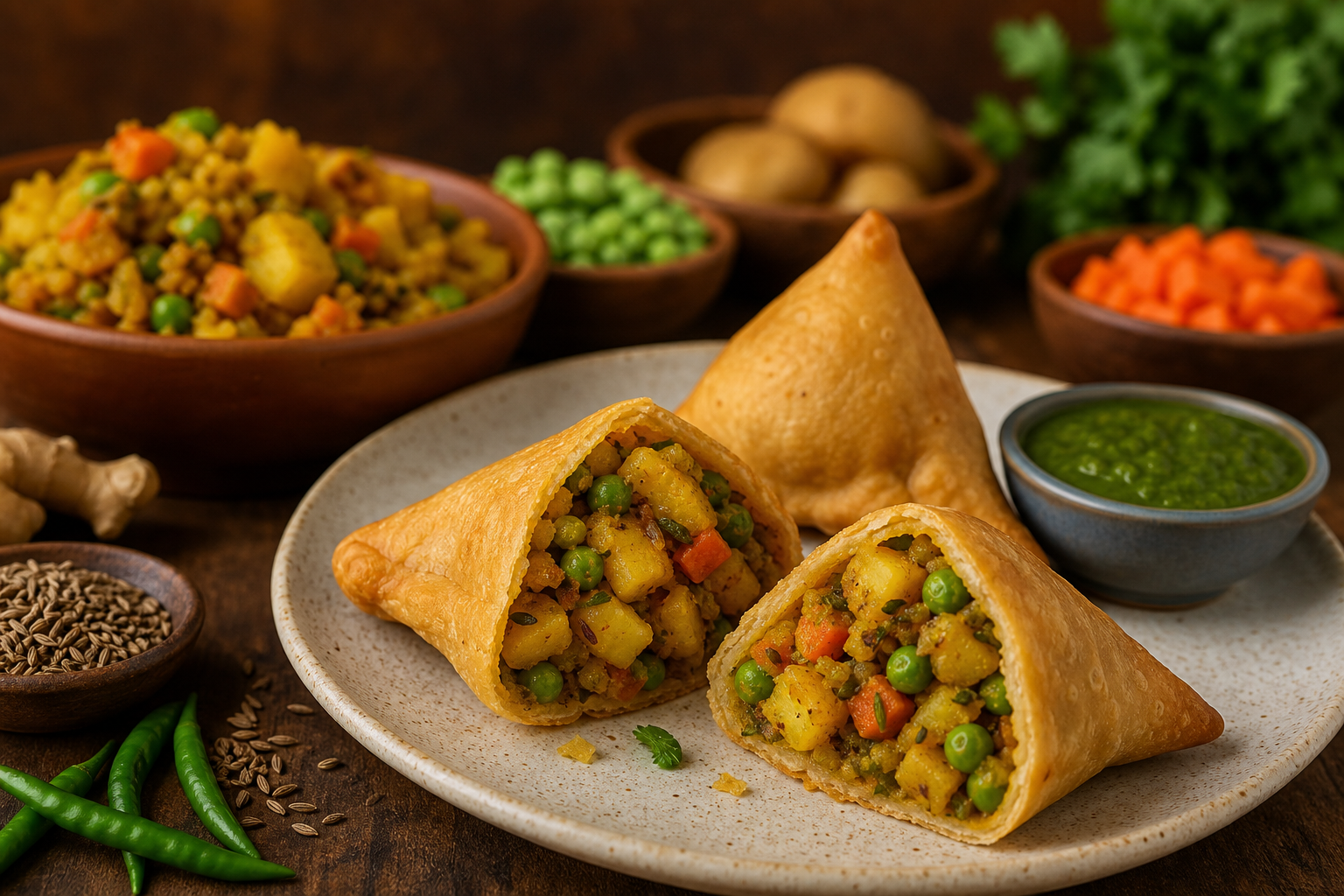
If you are choosing a vegetable samosa filling for dinner, a party, or a quick downtown pickup, this checklist helps you understand what a filling is, how common styles differ, what dietary checks to make, and whether to make the filling at home or order ready samosas for fast service.
What vegetable samosa filling means and common ingredients
A vegetable samosa filling is the cooked savoury mixture placed inside the pastry before sealing and frying or baking. Typical fillings fall into five ingredient groups: a starchy base such as mashed potato, a selection of vegetables like peas, carrots or cauliflower, aromatics such as onion and garlic, spices and fresh herbs, and a finishing fat such as oil or ghee to carry flavour. Practical, community tested recipes and local public health guidance outline those same groups and include step by step assembly notes for home cooks and kitchens planning batches of samosas, so you can compare recipes with confidence.
For a ready reference recipe and assembly tips see the Alberta Health Services notes on vegetable samosas (AHS vegetable samosas), and for full kitchen procedures consult a classic published recipe such as the Food Network vegetable samosa recipe (Food Network vegetable samosas).
Common filling styles and how they change taste and texture
The most familiar vegetable samosa fillings fall into a few clear styles. Each choice affects mouthfeel, spice balance, and how the filling behaves inside the pastry.
Potato and pea filling
Potato and pea fillings are the most common and are often mildly spiced. Cooked potato provides a soft, mashable texture that holds together well inside the pastry and delivers a comforting, neutral base that absorbs spices and aromatics. Peas add little bursts of sweetness and colour. This profile is friendly to most palates and is the safest choice when serving mixed groups of diners.
Mixed‑vegetable filling
Mixed‑vegetable fillings use a variety of small diced or finely chopped vegetables such as carrots, cauliflower, green beans and peas. The result is a chunkier texture with a brighter vegetable flavour and a more varied mouthfeel. If you prefer crisp edges and distinct vegetable pieces in every bite, mixed vegetables will feel fresher than a mashed potato base. For technique notes that change moisture and bite, see a practical overview of samosa filling techniques (samosa filling techniques).
Paneer and other add‑ins
Adding paneer or crumbled firm tofu gives a richer, denser texture and boosts the sense of protein. Nuts, lightly toasted seeds, or sprouts are occasional additions in modern recipes. These options alter both flavour and nutrition, so confirm ingredient lists when ordering if you have allergies or specific diet aims.
Spice profile and finishing
Spice level and the tempering of whole spices define aroma and heat. A mild filling uses gentler spices and less chilli, while a spicier filling will include fresh green chilli or powdered chillies and a brighter spice mix. Finishing with a dash of lemon or a spoon of ghee adds lift and aroma. When ordering, you can usually request mild or spicy versions if the kitchen supports custom requests.
Dietary and allergen flags to check
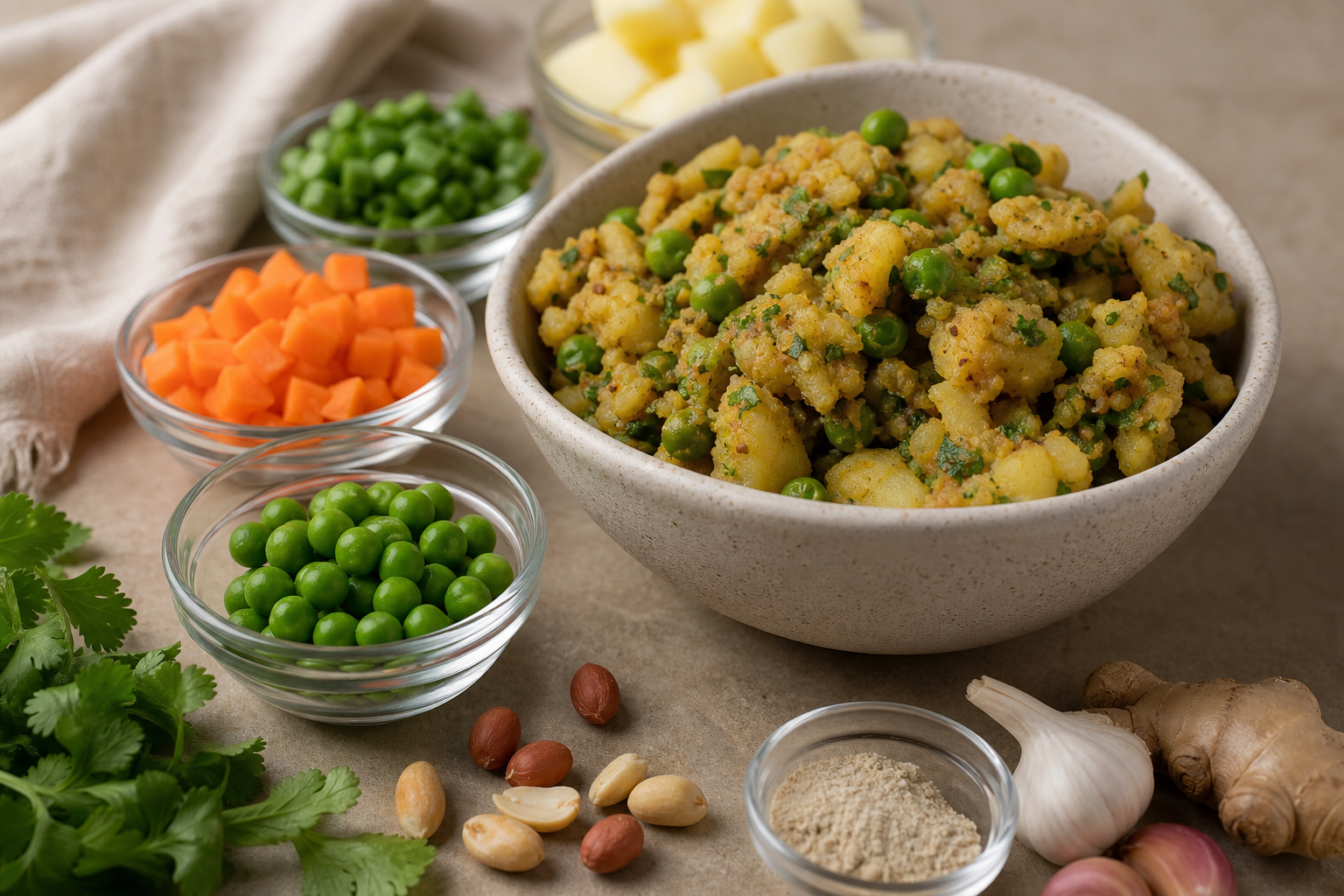
Before making or ordering vegetable samosas, confirm these points to avoid surprises.
- Vegetarian and vegan: many vegetable samosa fillings are vegetarian. Ask whether ghee or butter is used in the filling or pastry if you need a vegan option.
- Gluten: traditional samosa pastry is wheat based. If you need a gluten free option, confirm the pastry or look for a restaurant note about alternatives.
- Dairy: paneer or yoghurt dips indicate dairy. If dairy is a concern, ask whether dairy is used in the filling or accompanying sauces.
- Cross contact: kitchens may handle nuts, seafood or eggs elsewhere. If you have a severe allergy, request explicit confirmation from the restaurant.
- Sodium and oil: home cooks often reduce salt and oil compared with commercial preparations. If you prefer lower sodium, consider making your own filling where you control seasoning.
Alberta Health Services provides sensible advice for home preparation and labelling awareness when controlling ingredients.
Make or buy decision checklist
Use this quick decision checklist to decide whether to make samosa filling at home or to order finished samosas from a restaurant.
Time and equipment
- Make at home if you have time to peel, boil and mash potatoes, sauté aromatics, and either deep fry or bake. Classic recipes explain each step and show how to assemble multiple samosas in a batch.
- Order if you want predictable timing and no cleanup. For last minute or small orders, ordering is often faster and more reliable.
Portion, cost and convenience
- Home batches scale well for a party, but you must factor in labour time. If you only need a few portions, ordering single orders of samosas can be cheaper and quicker.
- Restaurants typically list appetizers and portion sizes on their menus. Divine - The Indian Cuisine offers online ordering with clear menu categories for appetizers and quick pickup options, which helps when you only need a small order.
Dietary control and flavour preferences
- Make your own filling when you must control salt, spice and exact ingredients for dietary needs.
- Order from a trusted restaurant when you prefer consistent flavour, precise portioning, and fast fulfilment. If you are planning a group order, call ahead to confirm vegetarian labelling and any custom spice requests.
What to check before ordering vegetable samosas locally
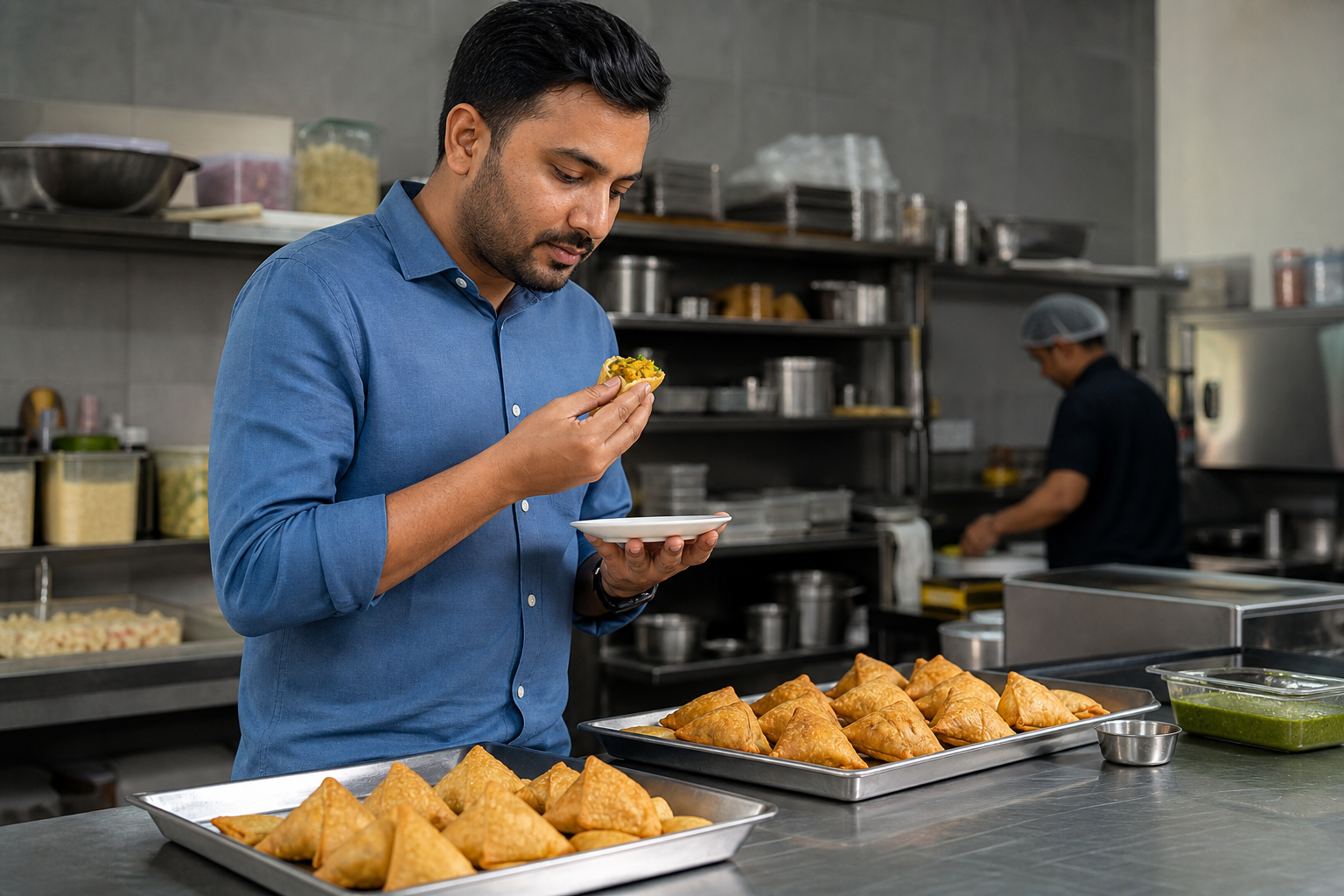
When you place an order, run through these practical checks so your takeaway meets expectations.
- Vegetarian labelling, and whether the filling or pastry contains dairy such as ghee or paneer.
- Order size and number of samosas per portion. Confirm whether sauces or chutneys are included and the type of dip.
- Freshness and preparation method. Ask if samosas are made to order or prepared earlier and reheated.
- Allergen handling and cross contact policies for nuts, dairy and gluten.
- Pickup window and expected wait time. Divine highlights fast pickup for online orders, which is useful for short notice plans.
If you want technique notes before you order, a short piece on samosa filling techniques can help you understand how different kitchens manage moisture, filling density and folding styles.
Storage, reheating and basic food safety
Leftover samosas should be cooled promptly and refrigerated within two hours of cooking. Store samosas in an airtight container and consume within two to three days. Reheat by oven or air fryer to restore crispness, and if you use a microwave, follow with a brief oven or skillet step to crisp the pastry. Alberta Health Services provides general guidance on safe cooling and storage practices for cooked foods, which helps reduce food safety risks when you store or reheat samosas.
Order local takeaway from Divine — what to expect and how to order
If you prefer to order vegetable samosas for pickup or delivery in downtown Edmonton, Divine - The Indian Cuisine lists vegetable samosas among its appetizer and vegetarian options and offers online ordering for pickup and delivery through the restaurant website. The site highlights a quick pickup option of about 15 minutes for many orders, making it a good choice when you need fast, predictable takeaway.
To order, view the menu on the restaurant website at Divine - The Indian Cuisine, choose your samosa portion and any chutneys or dips, and select pickup or delivery at checkout. If you have allergy questions or need a milder spice level, add a note to your order or call the restaurant before picking up.
FAQ
Is vegetable samosa filling usually vegetarian or can it contain dairy
Most vegetable samosa fillings are vegetarian. Some recipes and restaurant kitchens use ghee in the filling or butter in the pastry, and some accompaniments such as yoghurt dips contain dairy. If you need a vegan option, ask whether ghee, butter or paneer are used in either the filling or the pastry.
How can I tell if restaurant samosas were made fresh or are reheated
Ask the restaurant whether samosas are made to order or prepped earlier and reheated. Freshly made samosas have a warm, crisp pastry and a well integrated filling. Reheated samosas may be less crisp unless they are returned to an oven or air fryer before serving.
Should I make the samosa filling at home for a party or order from a restaurant
Choose home cooking if you need full control over seasoning, portion size and ingredient content, and if you have time for prep and frying or baking. Order from a restaurant when you need consistent flavour, time savings or single smaller orders. For fast downtown pickup and clear menu options consider Divine - The Indian Cuisine, which supports online orders and quick pickups.
What is the safest way to reheat leftover samosas
Reheat in an oven or air fryer to restore crisp pastry, and ensure the internal temperature is hot throughout. If you must use a microwave, follow with a short oven or skillet step to crisp the exterior. Cool cooked samosas and refrigerate within two hours to reduce food safety risk, following general recommendations from public health guidance.
Can I request a milder or spicier filling when ordering takeaway
Many kitchens will accommodate mild or extra spicy requests for filling. Add a note with your online order or call the restaurant to confirm they can adjust the spice level for your order.
For step by step home preparation tips and assembly guidance, refer to a classic recipe resource such as the Food Network vegetable samosa recipe, and for practical public health notes consult the Alberta Health Services vegetable samosa guidance. For technique notes on how fillings are prepared in some kitchens, see the samosa filling techniques overview (samosa filling techniques).
Ready to order? For fast downtown pickup and online ordering, visit Divine - The Indian Cuisine to view the menu and place your order online.
Craving Authentic Indian Food in Edmonton?
Order Edmonton's favourite Butter Chicken, Lamb Biryani, and award-winning vegan dishes from DIVINE – The Indian Cuisine on Jasper Avenue.
Order Online Now